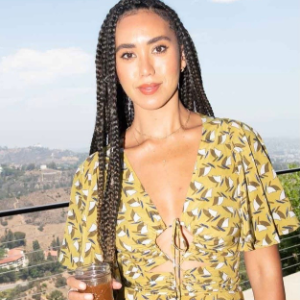
Cold Water, Warm Wisdom: A Conversation with Aleksandra Chojnacka
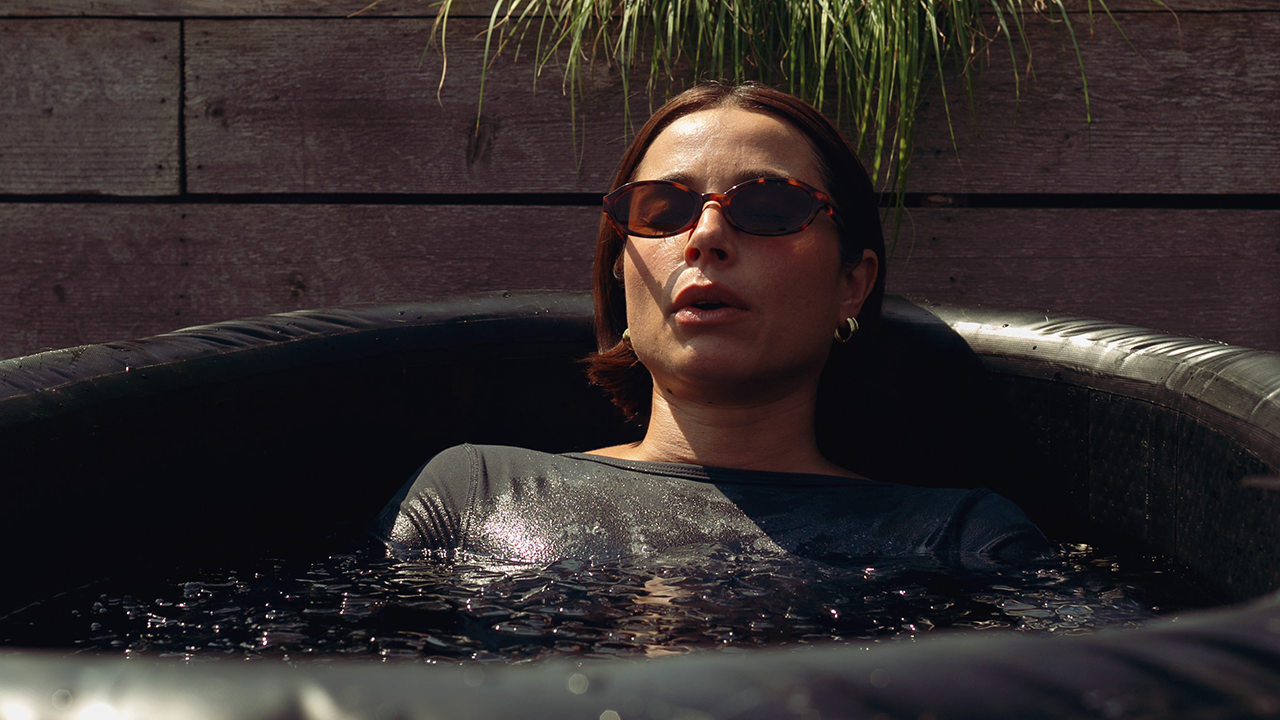
I recently sat down with Aleksandra Chojnacka, a cold plunge and contrast therapy guide, breathwork practitioner, and one of our Preferred Practitioners.
Aleksandra brings a deeply feminine, nervous system-first approach to cold exposure, one that prioritises safety, presence, and resilience over intensity.
In this conversation, she shares how cold water became a tool for healing her own nervous system, the science behind why women need a different protocol, and how we can all begin to build a more intelligent relationship with stress.
You can learn more about Aleksandra and her work on her practitioner profile here.
Q&A
Millana: For those who may not know, what is cold plunging and contrast therapy? And why would someone do it?
Aleksandra: Cold plunging is the practice of immersing the body in cold water for a short period of time to support recovery, resilience, and nervous system regulation. Contrast therapy is the intentional alternation between heat and cold. For example, sitting in a sauna for 15 minutes followed by a 2 minute cold plunge. The back and forth creates a powerful shift in circulation, energy, and state. It also trains your body to adapt quickly which ties into resilience building.
People are drawn to it for different reasons. Biohacking culture has made it very popular for the physical recovery benefits and longevity benefits. Those are great BUT it's so much more to me. What interests me most is the mental health aspect and the nervous system response. The body is always scanning for, Am I safe? Cold exposure gives us a very real but controlled stressor, and when we meet it with breath and presence, we can begin to rewire our relationship to stress. It becomes a way to train quicker recovery back into a connected state. It teaches our nervous system how to be flexible and how to stay present inside discomfort.
Millana: How did you get into cold plunging in your own personal practice? And what kept you coming back?
Aleksandra: I spent my early 20s feeling like a shell of myself: chronic fatigue, digestive issues, and brain fog were just some of my issues. My health journey started with food but quickly evolved to show me that a regulated nervous system was necessary to absorb and digest the clean things I was consuming. I began to see and notice how dysregulated my nervous system was. I was hijacked by my emotions and my stress recovery was poor. What this looked like was ruminating for DAYS when something didn't go as planned or someone triggered me, a lack of deep sleep, inability to sit still, and a lack of presence in my daily life. I couldn't take anything in: nutrients or the things happening around me.
I was living in San Francisco at the time and my neighbor was cold plunging for muscle recovery so I started witnessing the practice. During that same time I met Wim Hof at a conference and did my first breathwork with him. Something clicked and I began exploring this world. Layering this in with an awareness of my survival patterns was a game changer for me. I was able to use these tools to build my emotional resilience and return to a more grounded, authentic version of myself. I became deeply present in my daily life and connected to my body more than ever. I wasn't avoiding stress or reducing it, I was learning how to return to myself under pressure.
Millana: How did your personal experiences lead you to guiding others? Where did you learn to do that? Is there a school or training available, and if so, what is it like?
Aleksandra: I have always been a guide and a teacher, even before I was doing this work specifically. In graduate school, I was a Teacher's Assistant. In my corporate life, I led training programs and was always involved in onboarding and education. It has always been in me. I love sharing what has helped me in case it can help someone else. I am deeply invested in seeing people free themselves from emotional tension, and I want to offer support for those who are ready for it.
There were many layers to learning how to guide others. A big part of it came through my own life experience and my personal breathwork practice over the last 10 years. I was constantly experimenting in my own life to see what actually worked, what created lasting change, and what truly stuck. Over time, that became the foundation for my own framework, which I now call The Embodied Freedom Method.
My formal training includes Wim Hof Training, a Breathwork Certification with Lihi Benisty, and ongoing work with my mentor, who has a Master's in Neuroscience, to help vet my work and bring together cold plunge, polyvagal theory, and neuroscience principles.
Both the Wim Hof training and my breathwork certification gave me a strong foundation in breath physiology and the connection between breath, the body, and mental and physical outcomes. Lihi's training was also trauma-informed, which was incredibly important. She taught me not just how breath works, but how to teach others, hold space, and approach this work with care and best practices.
She also encouraged me to bring my own voice and perspective into the work, and that is really where my deeper focus on cold plunge and nervous system regulation came in. That is where I found my own magic. It is also what led me to start guiding cold plunges at Soho House Nashville.
After guiding more than 1,000 plunges, I started noticing clear patterns and learning so much in the field. I would take those observations back to my mentor and explore the neuroscience behind what I was witnessing. Over time, I began weaving all of those pieces together into the programs I offer now.
Millana: I often find that much of the cold plunge and contrast therapy world feels a bit too hyper-masculine for me. But, when I did it with you at Soho House Nashville, it was the first time I experienced a feminine approach that truly suited my body and my vibe. What about your approach feels so different?
Aleksandra: Reading that made me so happy. That's exactly what I want to bring to this practice.
What feels different about my approach is that I am not asking people to override their body in the name of discipline. I am helping them build a relationship with stress that is more intelligent, more attuned, and ultimately more sustainable. The cold water can be our greatest teacher. Because I take the nervous system regulation approach to it, it feels very supportive vs. pushing and forcing you to your max. It's about recognizing that we all have survival patterns and those patterns need to be nurtured through safety. Finding safety and ease in discomfort is what I'm here to offer.
I want to call out that I do see a lot of people doing cold plunge in a way that ignores their response and body and they just push through it. There's a difference between easing your body into safety and telling yourself you're okay in discomfort vs. telling your body to shut up and just white knuckling through. There's an acceptance and surrender that I guide people into which helps them see that they are ok. This is so important now as so many people's nervous systems are on overdrive and burnt out. We don't need more pushing, we need more flow.
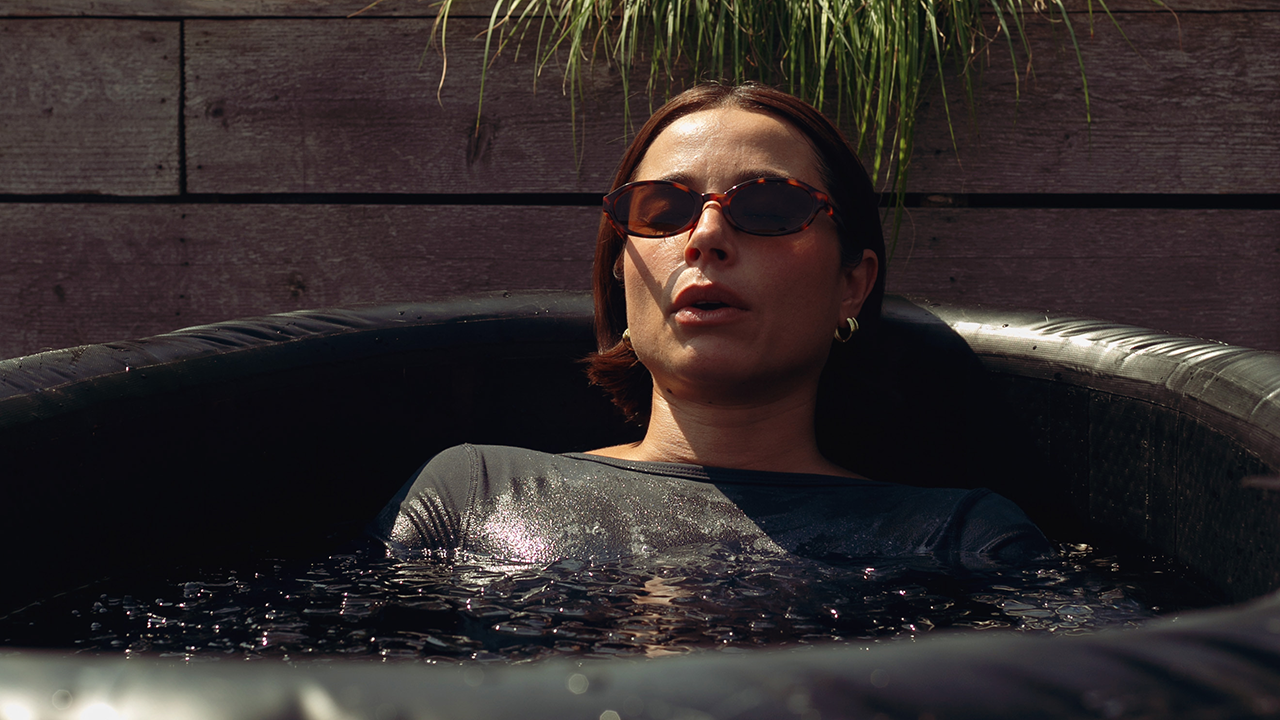
Millana: I have heard that research is finally coming about cold plunging for women and the best timing for our bodies. Can you tell us more about that?
Aleksandra: I think the most important shift is that we are finally talking about the fact that women's bodies are dynamic (we run on a ~28 day cycle and 24 hour circadian rhythm vs. men who only run on a 24 hour cycle). We are not meant to use the exact same protocol every day of the month regardless of our hormones, recovery, or stress load. This is very different for men vs. women.
In practice, I often recommend no colder than 50 degrees for women that are pre-menopausal. I also recommend attuning the plunging protocol to your cycle: 50 degrees is great during your follicular phase for 2-4 minutes depending on expertise. 55 degrees and no longer than 3 minutes during the luteal phase when the body may be more stress-sensitive. The bigger point is not perfection, it is body literacy. The more we learn to work with our physiology instead of against it, the more supportive and effective these practices become.
To weave this into the more feminine approach: we don't need the water to be that cold. Our body goes into the cold shock response under 60 degrees so there's no need to be at crazy low temperatures for women. The sweet spot is 50-55.
Millana: What is an unexpected benefit of cold plunging, and how often should we do it to receive those benefits?
Aleksandra: One unexpected benefit is how much it can change your relationship to stress.
People often come to cold plunging for the physical benefits, but what surprises them is how much it strengthens their ability to stay present when discomfort arises. It helps interrupt the binary of either shutting down or pushing through. You begin to build capacity to stay with sensation, regulate your breath, and recover more quickly into a calm, connected state.
In terms of frequency, consistency matters more than intensity. For many people, 2-3x per week is enough to experience meaningful benefits for nervous system regulation, energy, mood, and resilience. For someone who is brand new or more trauma-sensitive, 1x per week at warmer temperatures (55-60) can be incredibly effective.
Millana: What benefits do you or your clients report from regular cold plunging?
Aleksandra: The benefits I hear most often are improved stress resilience, better mood, more mental clarity, increased presence, and a stronger sense of self-trust. Many people also report that they feel more grounded in their body, less reactive, and more capable of recovering from challenging moments in daily life.
From a nervous system perspective, I think one of the most important benefits is that cold exposure can become a safe stressor for training vagal tone and resilience. It gives the body a chance to practice activation and recovery in real time. Personally, I've experienced a steadiness through life even in the hardest of circumstances. That doesn't mean I don't feel my feelings, it means I don't let them hijack me like they used to. I have a better awareness and connection to my body that allows me to flow.
For some people, it also supports a noticeable boost in energy, focus, and emotional steadiness. You receive a 200%+ increase in dopamine for about 8 hours after you cold plunge. For others, it becomes a tool for building confidence, intuitive capacity, and a deeper sense of inner safety.
Millana: How can we work with you if we are not in Nashville? Can you share more about how we can create a setup at home?
Aleksandra: I work with people virtually to help them create an at-home practice that feels safe, supportive, and aligned with their goals. That can include guidance around cold exposure, breath regulation, contrast therapy, and how to build a ritual that supports your nervous system instead of overwhelming it.
The good news is that your setup does not need to be elaborate. A home practice can begin with a cold shower, a simple cold tub (with store bought ice), or a contrast protocol using what you already have access to (a bath tub or local studios). What matters most is intention, consistency, and learning how to use the breath to move through the initial shock and into regulation. I have an app that people can download to try some free practices: Download here. The app includes a free 2 minute guided cold shower if someone wants to start there.
Millana: Anything else you would like to share?
Aleksandra: I would just say that cold plunging does not have to be extreme to be effective.
For me, the most meaningful work happens when cold exposure is used as a tool for nervous system healing and resilience, not as a way to prove toughness. You're already tough for showing up. You don't need to push anymore; you just need to witness your own power and be held in it. Returning to a deeper sense of safety in the body is the goal.
To learn more about Aleksandra and her work, visit her practitioner profile.
HEY THERE,